The BTNF is special for as many different reasons as users who enjoy it. But there are Four Ws—Water (and snow), Wildlife, Wildlands, and Ways of Life—that make it truly extraordinary among the country’s 154 national forests. In summer, 43 percent of the BTNF is at least 3 miles away from a road.
The Four Ws: Wildlands

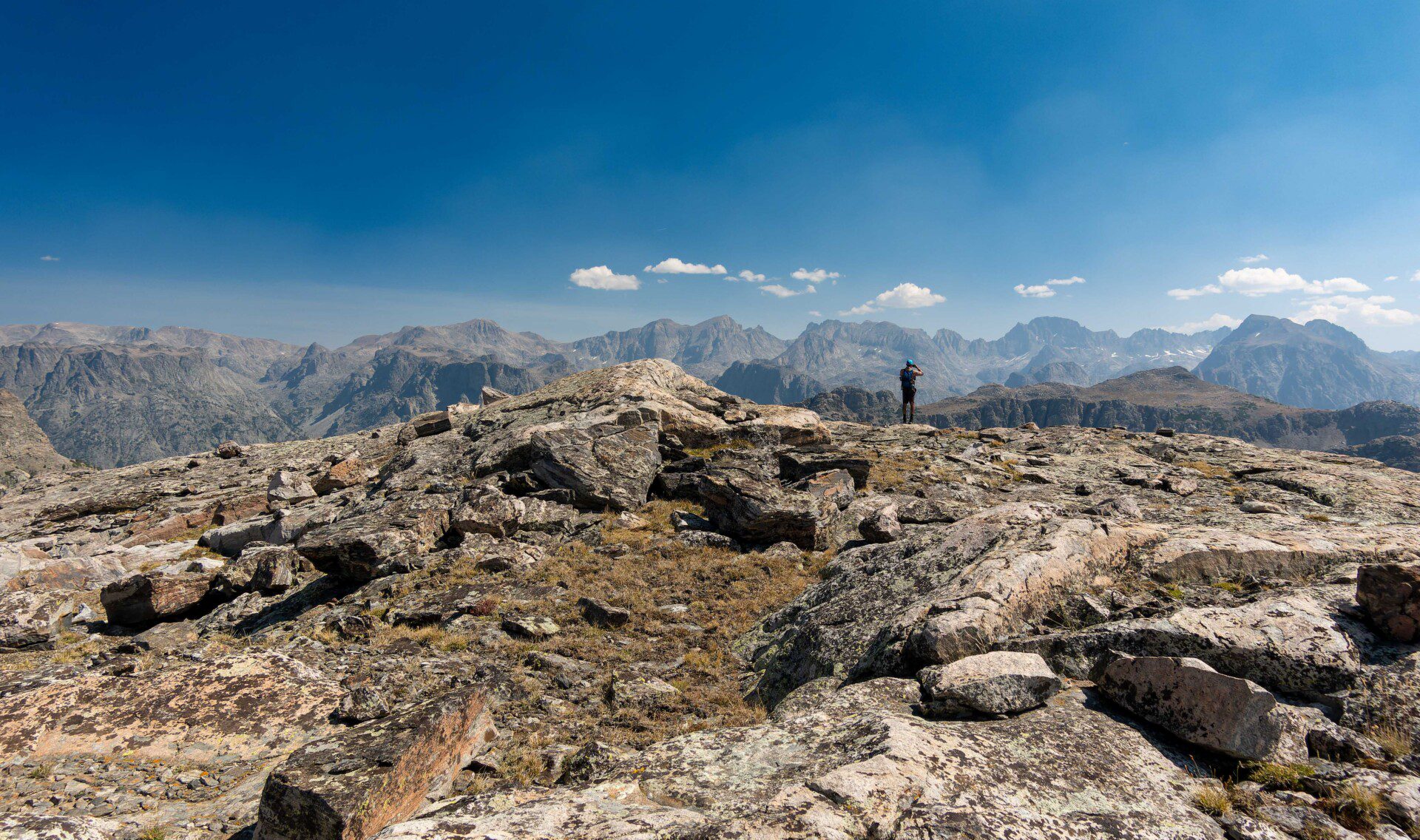


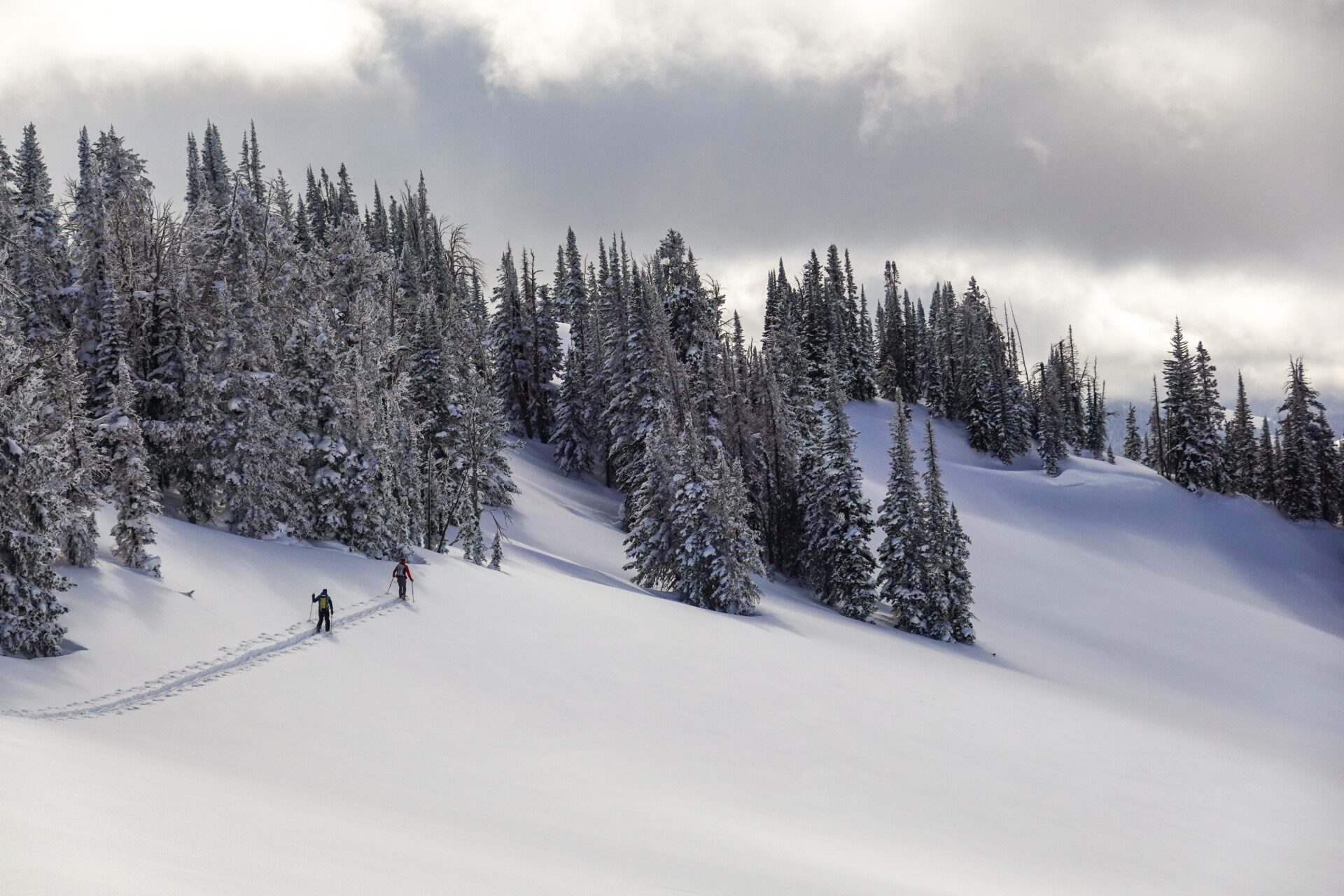
Although no place on earth is truly “untouched” by human activity, the presence of a “blank spot on the map,” particularly areas of contiguous, undeveloped backcountry greater than 5,000 acres, are increasingly rare. But the BTNF has many.
In summer, 43 percent of the BTNF is at least 3 miles away from a road. This offers forest users more opportunities to to experience a primitive recreation setting than any other national forest in the Intermountain Region.
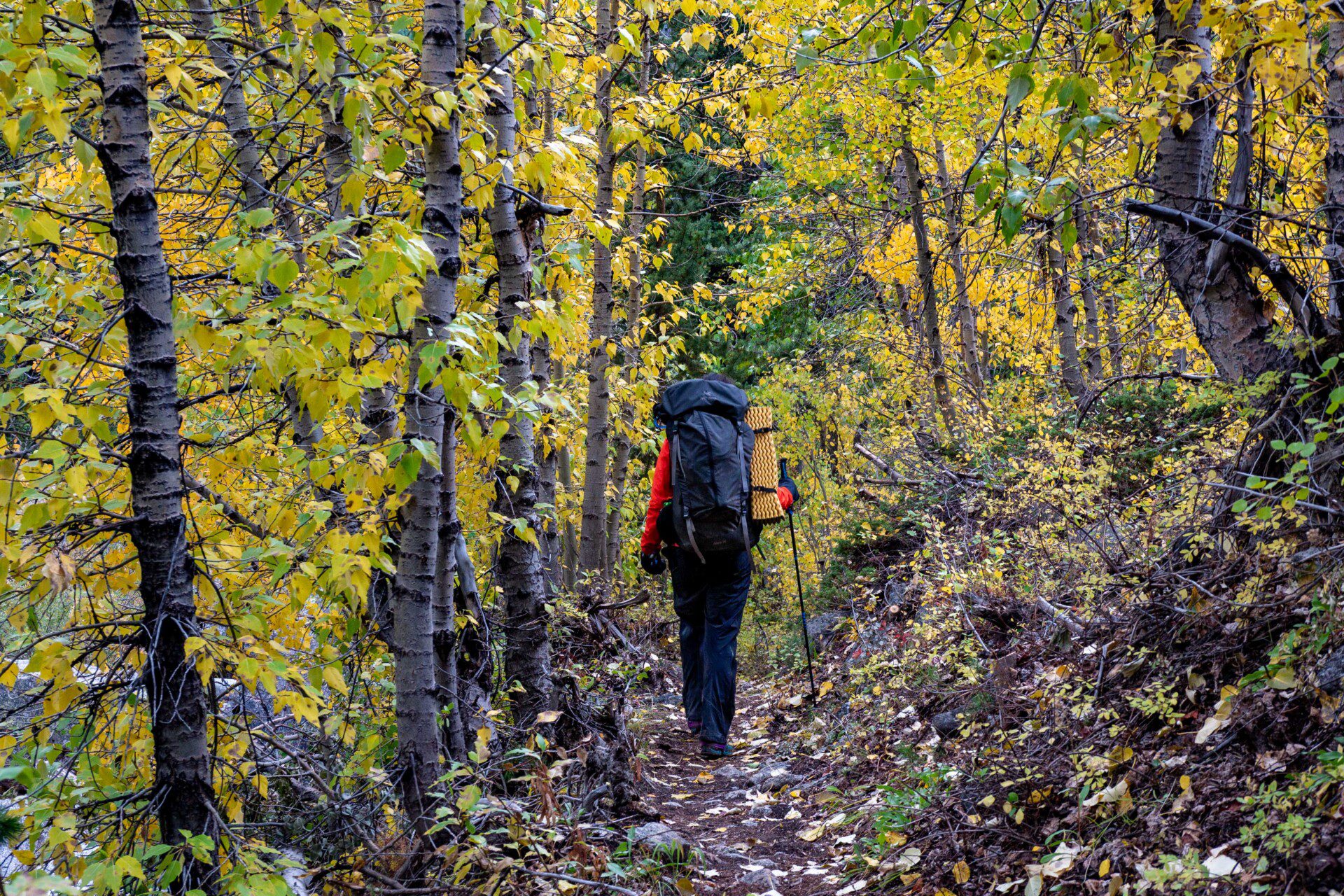
The BTNF is the single largest parcel of public land within the Greater Yellowstone Ecosystem, one of the few large relatively undeveloped areas in the U.S. Not only notable for its size in the GYE, the BTNF is notable for its contribution of wildlands, defined as natural areas that have not been significantly modified by human activity: 41 percent of the forest is congressionally designated (e.g. Wilderness), small protected areas that contain unique geological or ecological features, and that remains largely undeveloped (like inventoried roadless areas).
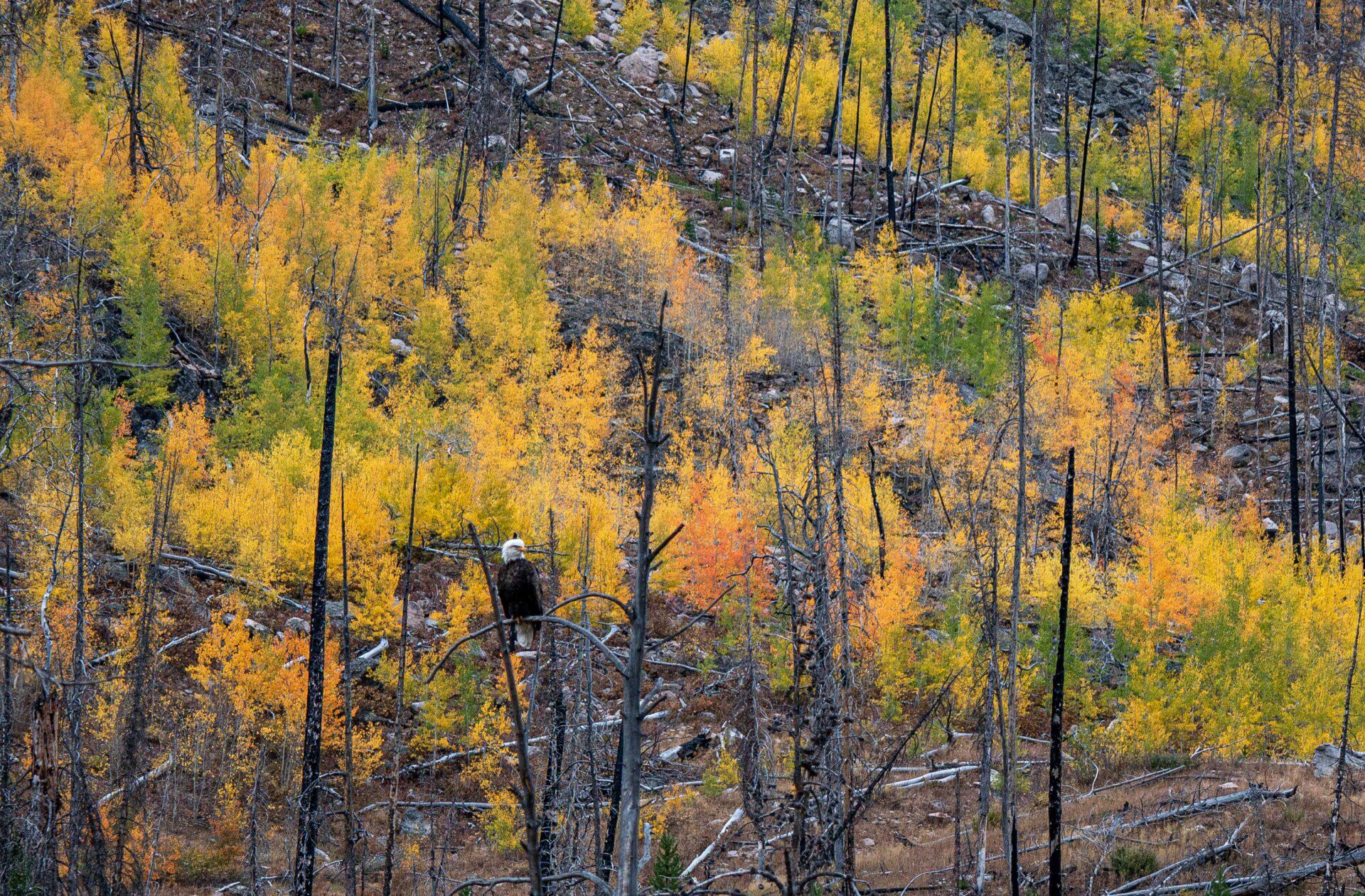
Ecologically, wildlands provide quality habitat and clean water that support the 74 species of mammals, 355 bird species, 12 reptile or amphibian species, and 25 species of fish found on the Bridger-Teton.
Socially and economically, the presence of these wildlands and 3,475 miles of trail are why the BTNF supports the largest outfitting program in the Intermountain Region, offering everything from pack-trips to hunting, fishing, hiking, day horse rides, climbing, rafting, snowmobiling, skiing, and more.
The BTNF’s relatively undeveloped character also provides the foundation for year-round dispersed recreation activities including dispersed camping, trail-based activities, boating, fishing/hunting, snowmobiling and backcountry or cross-country skiing. Roughly 94 percent of the forest offers the primitive or semi-primitive setting essential for these activities.