The BTNF is special for as many different reasons as users who enjoy it. But there are Four Ws—Water (and snow), Wildlife, Wildlands, and Ways of Life—that make it truly extraordinary among the country’s 154 national forests. The BTNF supports 74 species of mammals, 355 bird species, 12 reptile or amphibian species, and 25 species of fish.
The Four Ws: Wildlife
Wildlife

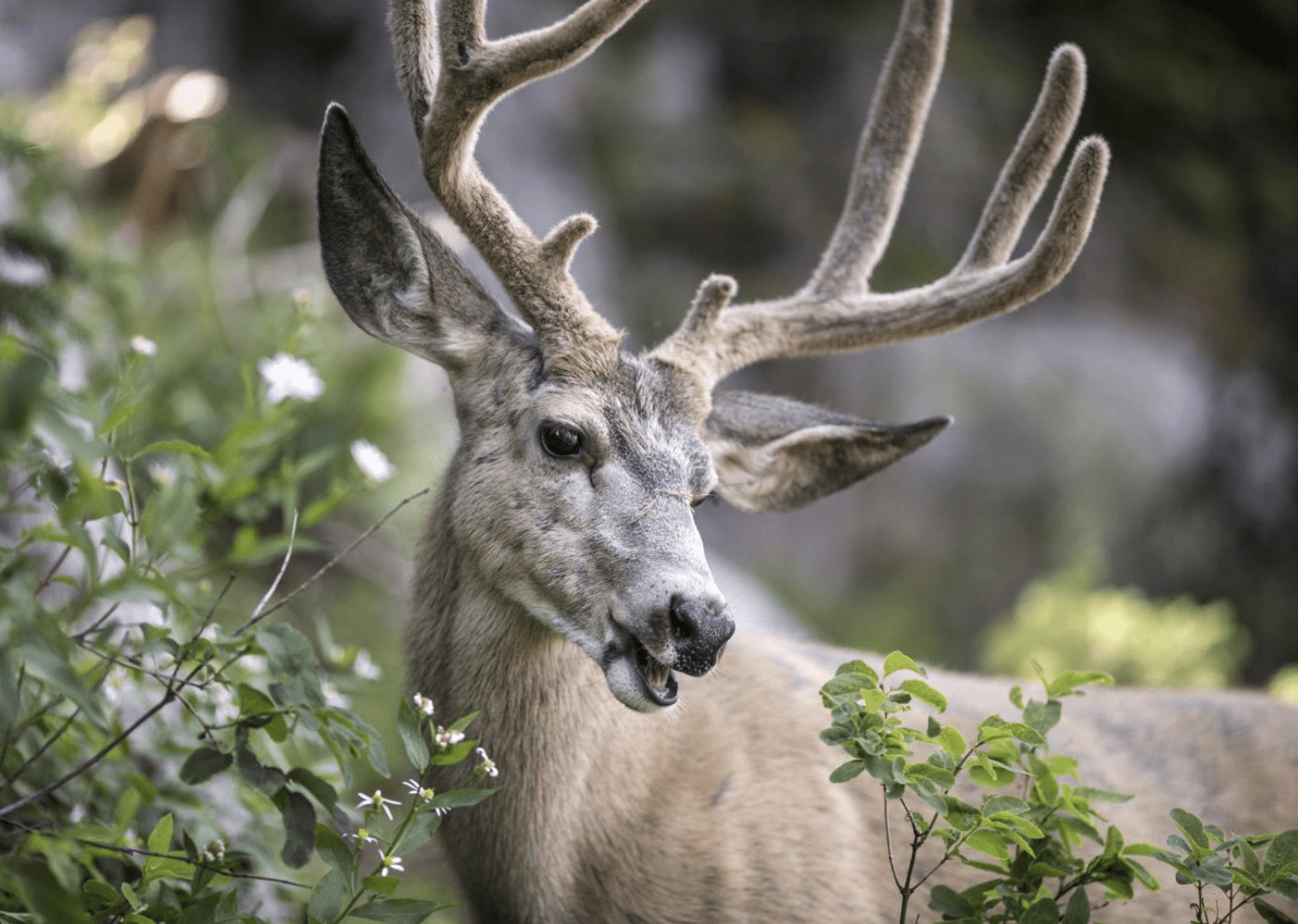
Even within the Greater Yellowstone Ecosystem, a sanctuary for the largest concentration of wildlife in the Lower U.S. and an area that continues to support most mammal and bird species that were present before the 1880s, the Bridger-Teton stands out as particularly important for wildlife. It supports 74 species of mammals, 355 bird species, 12 reptile or amphibian species, and 25 species of fish and has healthy populations of predator species—such as grizzly bears, wolves, and mountain lions.
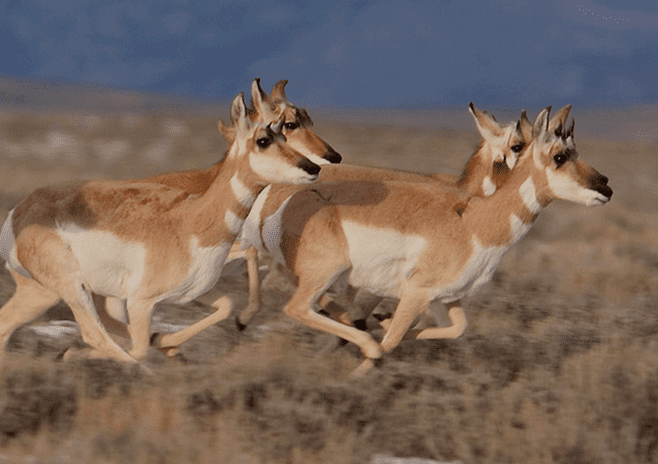 Getting increased attention are long-distance ungulate migrations for pronghorn, mule deer, and elk. In 2008, the “Path of the Pronghorn” through the Bridger-Teton became the first federally designated migration corridor; this 175–330-mile round-trip migration route is the longest corridor for terrestrial animal migration in the Lower 48 states.
Additionally, the Wyoming Range mule deer herd, found on the Bridger-Teton, is coveted by hunters, both local and from afar. Although the population of the herd was crushed in the winter of 2022-23 and Wyoming Game & Fish limited hunting opportunities, it is bouncing back. That winter, a season-long deluge of snow buried the ungulates’ favorite forage. The wind didn’t clear snow from hillsides where the deer typically browse, and below-freezing temperatures caused the animals to use up the fat stores that get them through the winter. The herd’s population fell from about 30,000 animals to 10,000.
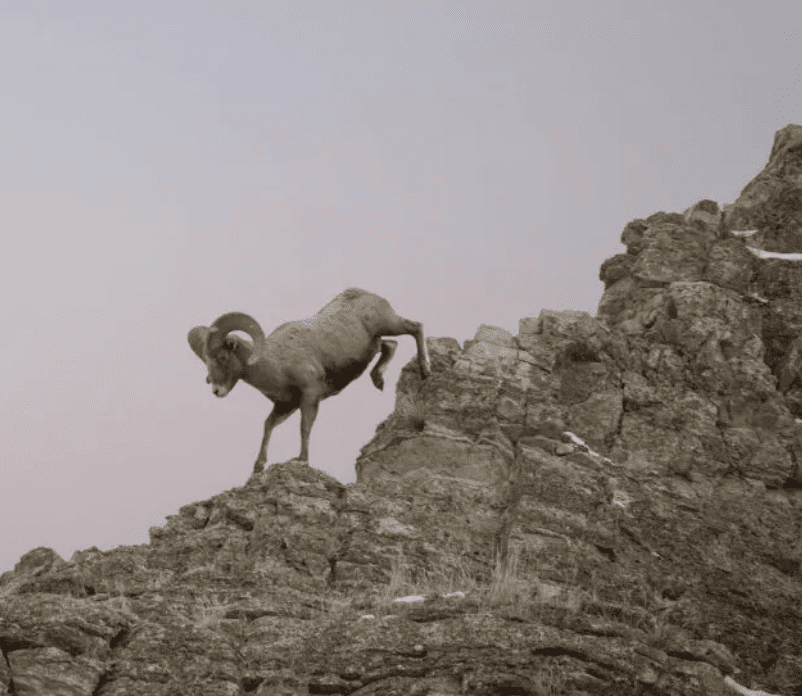 The Bridger-Teton also has four large core herds of bighorn sheep that have persisted without having to be re-established with transplants; these herds account for 85 percent of Wyoming’s bighorn sheep population, and they are the largest meta-populations in its range.
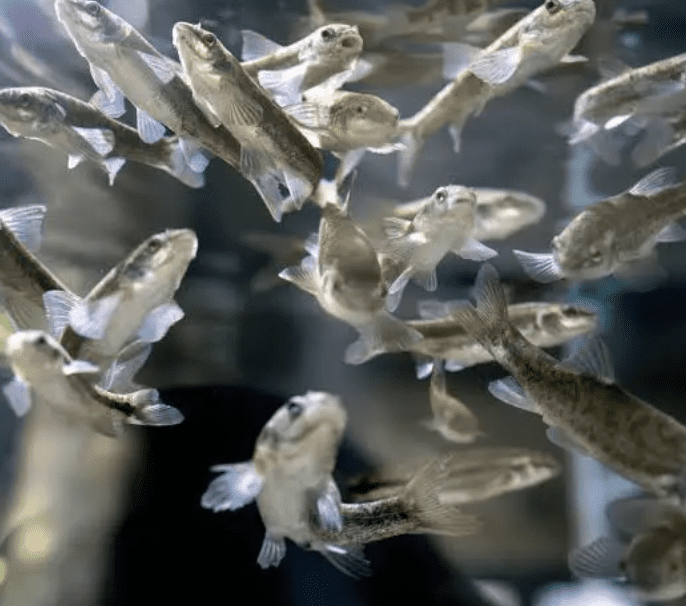 And fish: A few specific places on the Bridger-Teton stand out as exceedingly rare and important to fish, notably a 984-foot-long stream formed by thermal seeps and springs, which is home to the only population of the endangered Kendall Warm Springs dace.
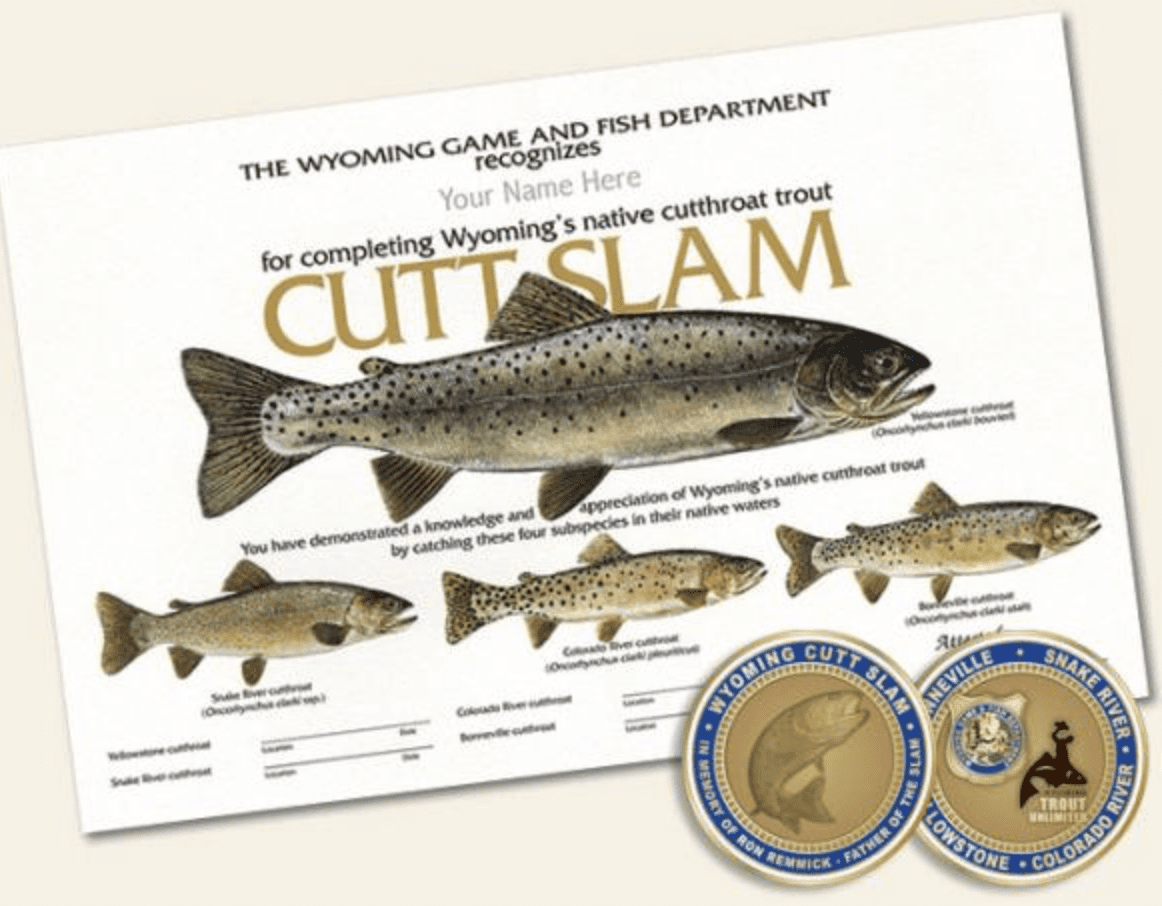
Historically, Wyoming was home to six sub-species of cutthroat trout. Today five remain, four of which occur in the BTNF—the Bonneville (Bear River) Cutthroat , Colorado River Cutthroat, Snake River Fine-spotted Cutthroat, and Yellowstone Cutthroat. The ability to fish for four native subspecies of Cutthroat in one area is a notable feature of the Bridger-Teton. Catch all four species and Wyoming Game & Fish will recognize you with a Wyoming Cutt Slam certificate.