The Wyoming Chapter of The Nature Conservancy (TNC), Friends of Bridger-Teton (FBT), and the Greater Yellowstone Coalition (GYC) partnered together to expand forest restoration and wildfire risk reduction efforts across the Bridger-Teton National Forest (BTNF) through two seasonal workforce programs, made possible by a grant from the Community Foundation of Jackson Hole.
The funding helped advance two complementary initiatives: the return of TNC’s Fuels Reduction Crew program and the launch of a new Wind River Youth Fire Crew program. Together, the programs helped address some of the region’s most pressing challenges, including increasing wildfire risk, forest health concerns, workforce development needs, and opportunities for Tribal partnership.
 With increasingly warmer, drier conditions and longer fire seasons across the Greater Yellowstone Ecosystem, Wyoming communities face growing threats from large, high-severity wildfires. Decades of fire exclusion have led to unnaturally dense forests and heavy fuel accumulations, increasing the potential for destructive fires that threaten homes, public infrastructure, recreation assets, wildlife habitat, and public safety.
“The Nature Conservancy is proud to work alongside Bridger-Teton National Forest, Friends of Bridger-Teton and the Greater Yellowstone Coalition to deliver meaningful benefits for people and nature,” said Carli Kierstead, Wyoming Forest Program Director for The Nature Conservancy. “This support allowed us to increase critical fuels reduction capacity while also creating opportunities for young Tribal adults to gain experience, develop skills, and contribute to the stewardship of lands that are important to all of us.”
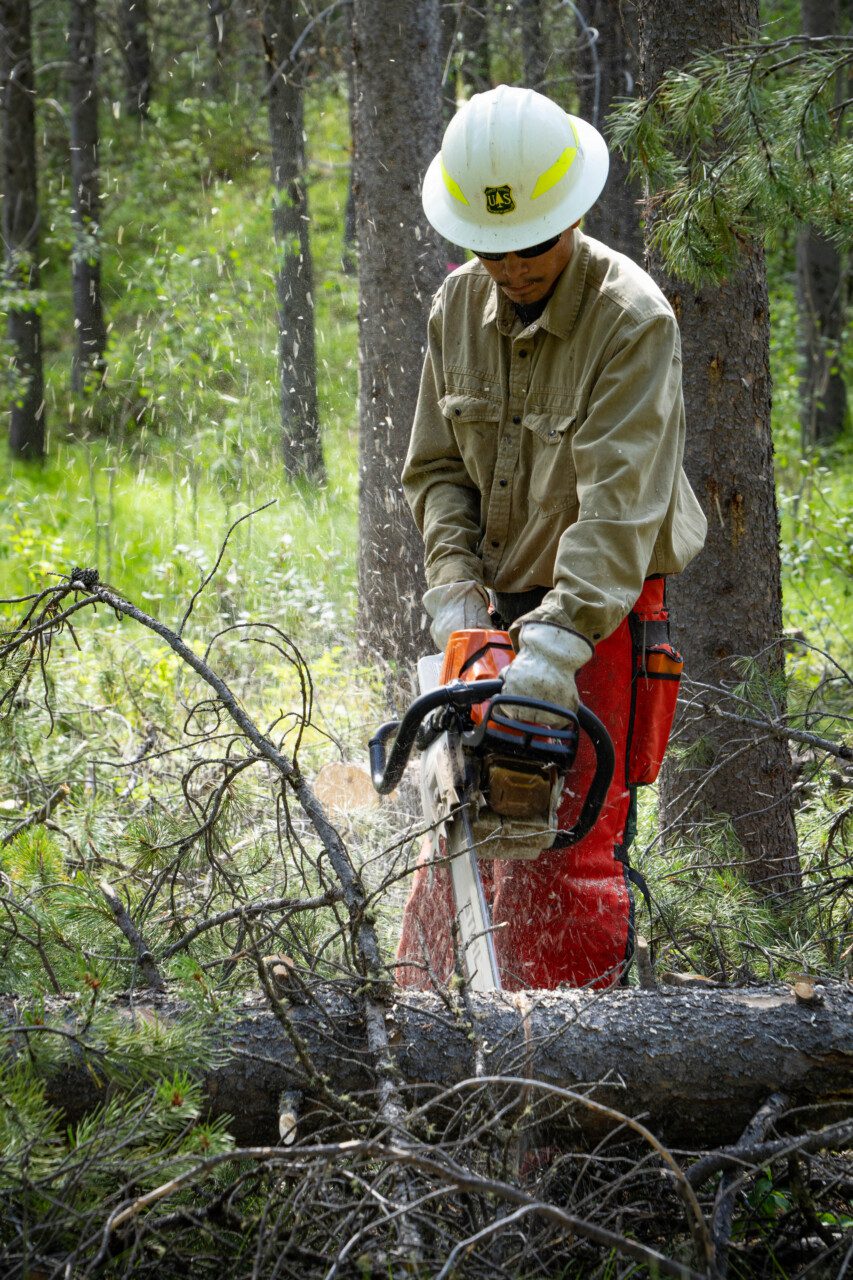
For the third year in a row, TNC’s Fuels Reduction Crews returned to BTNF in the summer of 2026 to help implement mechanical thinning and prescribed fire treatments designed to reduce hazardous fuels, improve forest health, and create more resilient landscapes. TNC’s work with BTNF was made possible through support from the Community Foundation of Jackson Hole, as well as longstanding partnerships with the U.S. Forest Service and national agreements that have dedicated critical funding to prescribed fire and fuels management projects on National Forest lands.
This summer also marked the official launch of the inaugural Wind River Youth Fire Crew—a new program designed to support a Tribally led vision for a stewardship crew of young adults from the Eastern Shoshone and Northern Arapaho Tribes. The program aims to build economic and career opportunities for young Tribal adults, support increased cultural connection and healing with nature, and help accomplish forest restoration in the BTNF. Working alongside BTNF staff and TNC crews this summer, the Wind River Youth Fire Crew learned and practiced conservation stewardship activities such as fuels reduction and post-fire stream restoration.
“This effort among the Eastern Shoshone and Northern Arapaho Tribes, the Forest Service, and regional nonprofits demonstrates the beneficial relationships that can be built to elevate tribal interests,” said Wes Martel, Senior Wind River Conservation Associate with the Greater Yellowstone Coalition. “These forests are Indigenous homelands, and the traditional stewardship practices embraced by original conservationists are key to long-term partnership, engaging tribal youth, and forest health.”
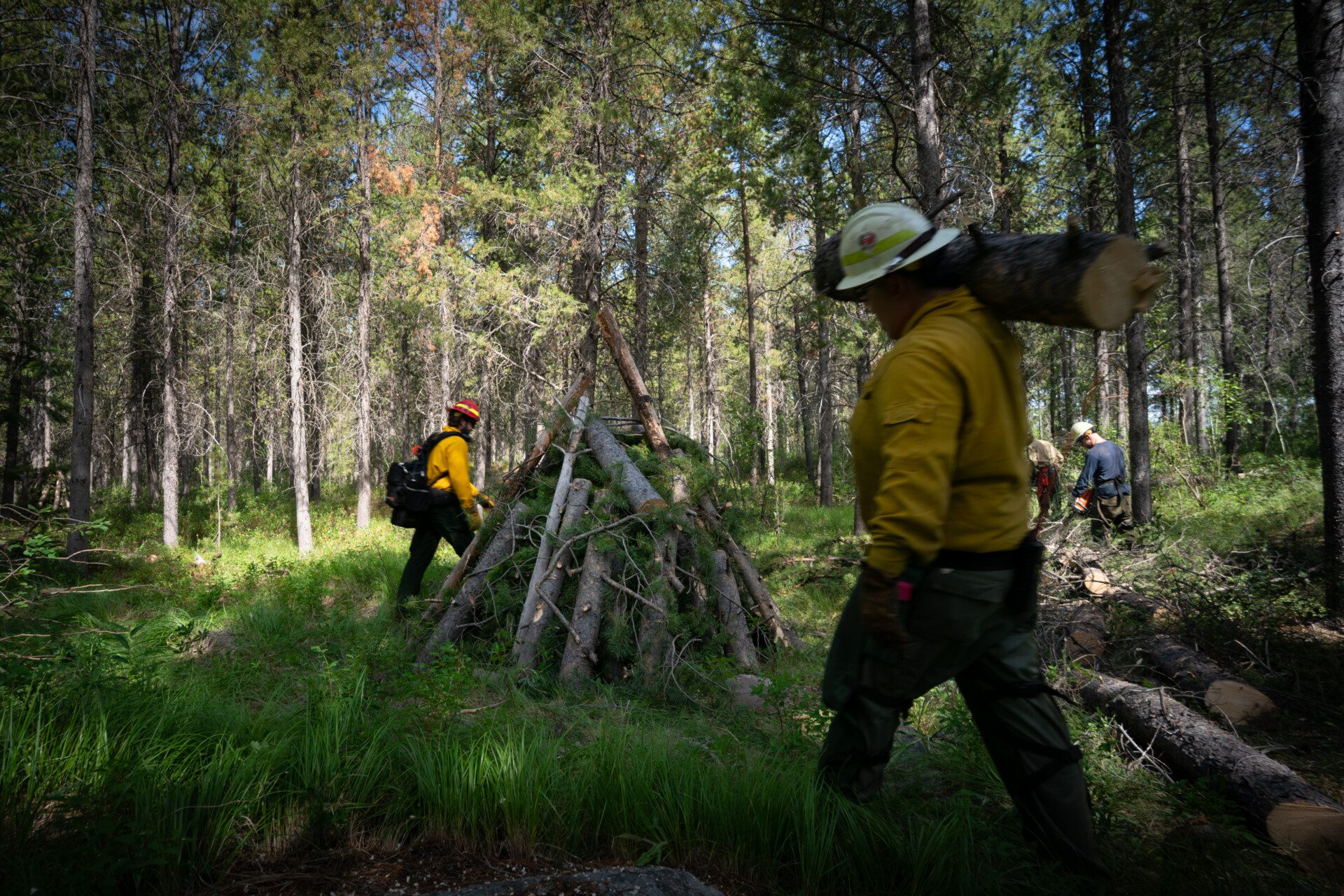
“It has been rewarding and encouraging to see the return of a Tribal wildland firefighting crew,” said Lauren McKeever, Tribal Liaison for the Bridger-Teton National Forest. “We look forward to seeing the new Wind River Youth Fire Crew program grow and become our key working partners – restoring this important work to our Wind River Tribal neighbors. We hope this new effort signals a strong future for Tribal wildland firefighting crews.”
For both crews, much of their work this summer focused on the Shadow Mountain Habitat Enhancement Project northeast of Jackson, WY. In addition to reducing wildfire risk around communities such as Lost Creek Ranch and nearby neighborhoods, the project enhances habitat quality for elk, mule deer, moose, pronghorn, bighorn sheep, raptors, and other wildlife species that depend on healthy forest ecosystems. Approximately 23,000 Teton County residents benefit from this work, along with the visitors to Wyoming and the businesses that depend on safe access to public lands and recreation infrastructure.
“Thanks to the efforts of everyone involved in this unique partnership, the Shadow Mountain Habitat Enhancement Project is helping the Shadow Mountain area become a more fire-resilient landscape—benefiting the ecosystem, nearby homeowners, local recreationists, and visitors,” said Carlie Ideker, Interim Executive Director for Friends of the Bridger-Teton. “The fact that this work was partly implemented by the next generation of land stewards means that the efforts accomplished this summer will ripple far into the future.”
Together, the programs demonstrate how conservation, community safety, workforce development, and Tribal partnerships can reinforce one another. By combining fuels reduction, habitat restoration, and youth engagement, the effort creates lasting benefits for local communities, wildlife, Wyoming’s wild and working lands and future generations.
The Nature Conservancy and Friends of Bridger-Teton extend their sincere gratitude to the Community Foundation of Jackson Hole for their grantmaking toward collaborative conservation solutions that strengthen community resilience, support Tribal youth, and help protect the lands, waters, and wildlife that define Jackson Hole and the Greater Yellowstone region.
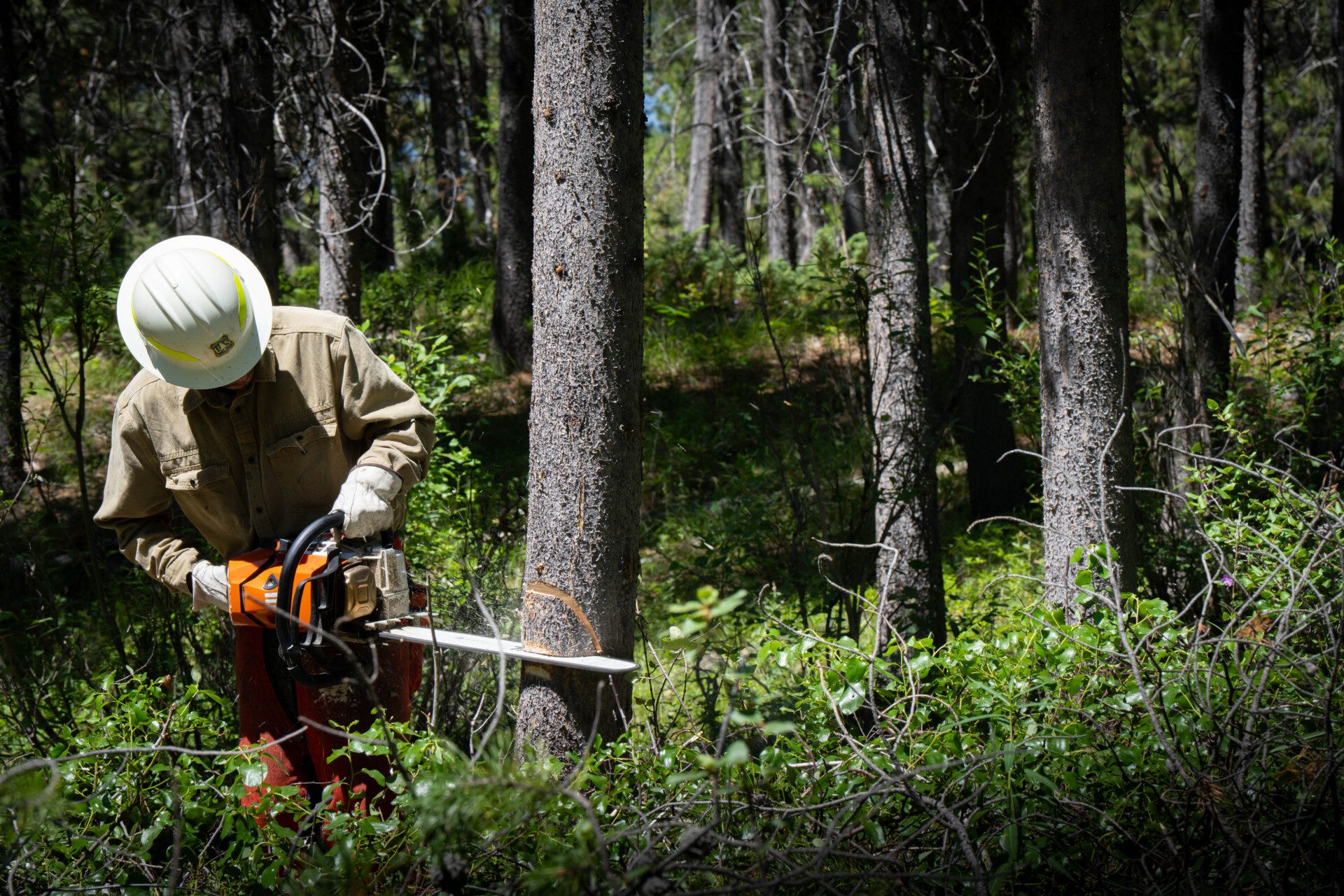
Photos: Jeremy Roberts/Conservation Media