A mild winter with little snowpack created an earlier than normal fire season this year. Fire and wildfire professionals in and around the BTNF are already preparing for the wildfire season. You can, too: May is National Wildfire Awareness Month and a critical time to prepare your home and neighborhoods for fire season before dry, hot weather peaks.
“We can’t control the weather, but one of the things we can do is control how we prepare and how we
respond to wildland fires and that’s what we are doing in Sublette County,” said Sublette County Unified
Fire Chief Shad Cooper. “We are making sure that we have training done for our firefighters early this
year, that all the interagency agreements are in place, that we coordinate with our surrounding counties
and state and federal partners to make sure that everybody is ready to respond to these earlier season
fires.”
According to the National Interagency Fire Center, roughly 85% of wildfires are caused by human activity. Most human-caused wildfires can be prevented. Whether it is properly extinguishing a campfire or keeping your vehicle maintained to prevent sparks, following just a few simple steps can help prevent wildfires.
What you can do in the front- and backcountry:
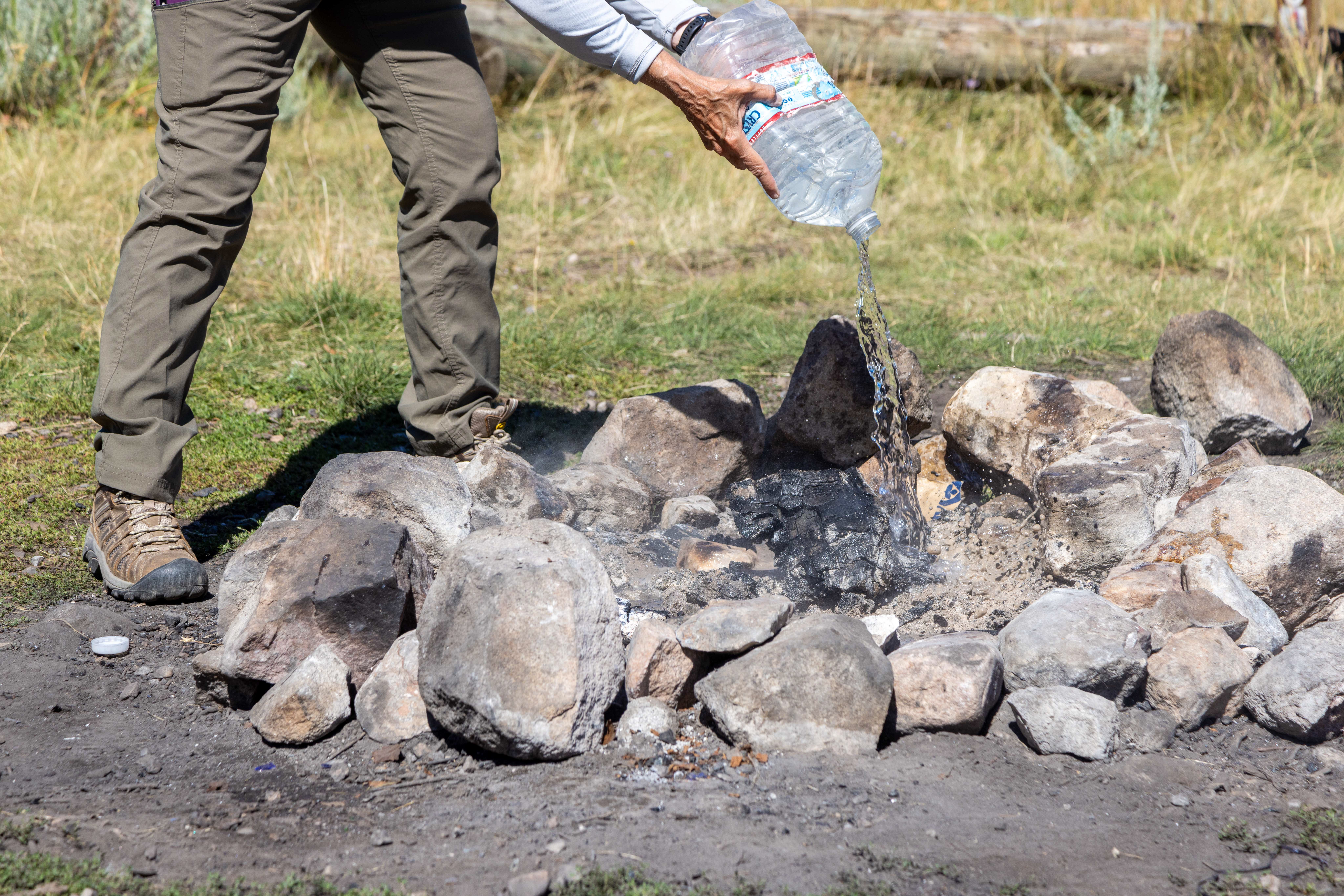
Tools Needed to properly extinguish a campfire: Water, bucket or large container, and shovel.
*Check local fire restrictions.
*Pick a good spot, preferable with an existing fire ring.
1. If no fire rings exists, build one of your own in a flat area with an open overhead and away from windy areas, flammable objects, and open fields.You should dig down about 1 foot deep and add a barrier, like a metal ring or a ring of rocks.
2. Stay at least 15 feet from tents, vegetation, and low-hanging branches. Ensure you have vertical clearance at least 3 times the height of the flames.
*Never burn trash or dangerous things like aerosols, pressurized containers, batteries, glass, or aluminum.
*Extinguish your campfire
1. Drown—Pour lots of water on the fire until the hissing sound stops, drowning all the embers—don’t extinguish a fire with just dirt or sand.
2. Stir—Use your shovel to stir the water into the embers, dirt, and sand, and mix well. Scrape any sticks and logs until no embers are exposed or smoldering, not just the red ones.
3. Drown—Continue adding water, dirt, and sand until all material is cool.
4. Feel—Hover the back of your hand over the ashes to feel that the embers are cool—don’t leave without making sure your fire is entirely out.
Learn more about campfire safety here.
What you can do to help at home:
Key actions include creating defensible space zones around your home, cleaning roofs and gutters, hardening homes against embers, and making evacuation plans. Taking steps to make your home survivable and your community fire adapted also helps protect responding firefighters.
DEFENSIBLE SPACE
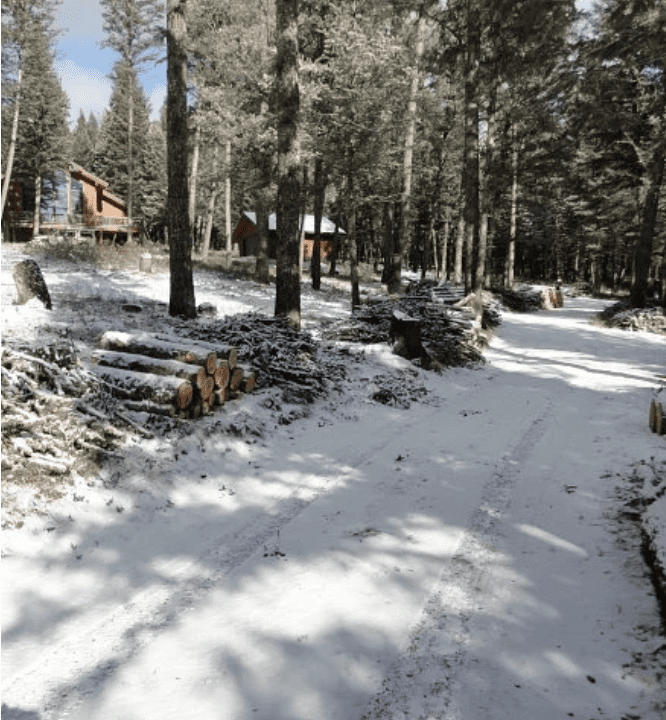 The Teton Conservation District, Sublette County United Fire, and the Alpine Area Wildfire Protection Coalition all offer free wildfire risk reduction evaluations to owners of homes in certain areas. (Check with each group to see if your home is eligible.) These include an on-site visit, which take about one hour, and a follow-up report that includes a comprehensive review of the structure ignition potential of homes and vegetation on the property and how wildfire might be mitigated. These also often include recommendations for how to improve access for firefighting and help with finding grants to help make a property less vulnerable to wildfire.“Identifying your home and property’s vulnerabilities and beginning to address those could be the difference that keeps your house standing,” said Josie Valette, Wildland Urban Interface Mitigation Coordinator for Sublette County Unified Fire. “It doesn’t need to be complicated, but the time to start is now. I know funding is a major barrier to larger projects, and I am always looking for grant opportunities to assist homeowners, but small projects also add up.”
“The reality is when we experience wildfire we try to protect the entire subdivision and we simply don’t have enough firefighters to place a fire engine on every home,” said Chief Cooper. “It’s just an unrealistic expectation. We do our best to prevent the fire from coming into the subdivision and it helps when homeowners reduce the hazardous fuels, mitigate the subdivision and reduce the ignition potential of the homes well before the fire happens.”
BURN DEBRIS SMARTLY
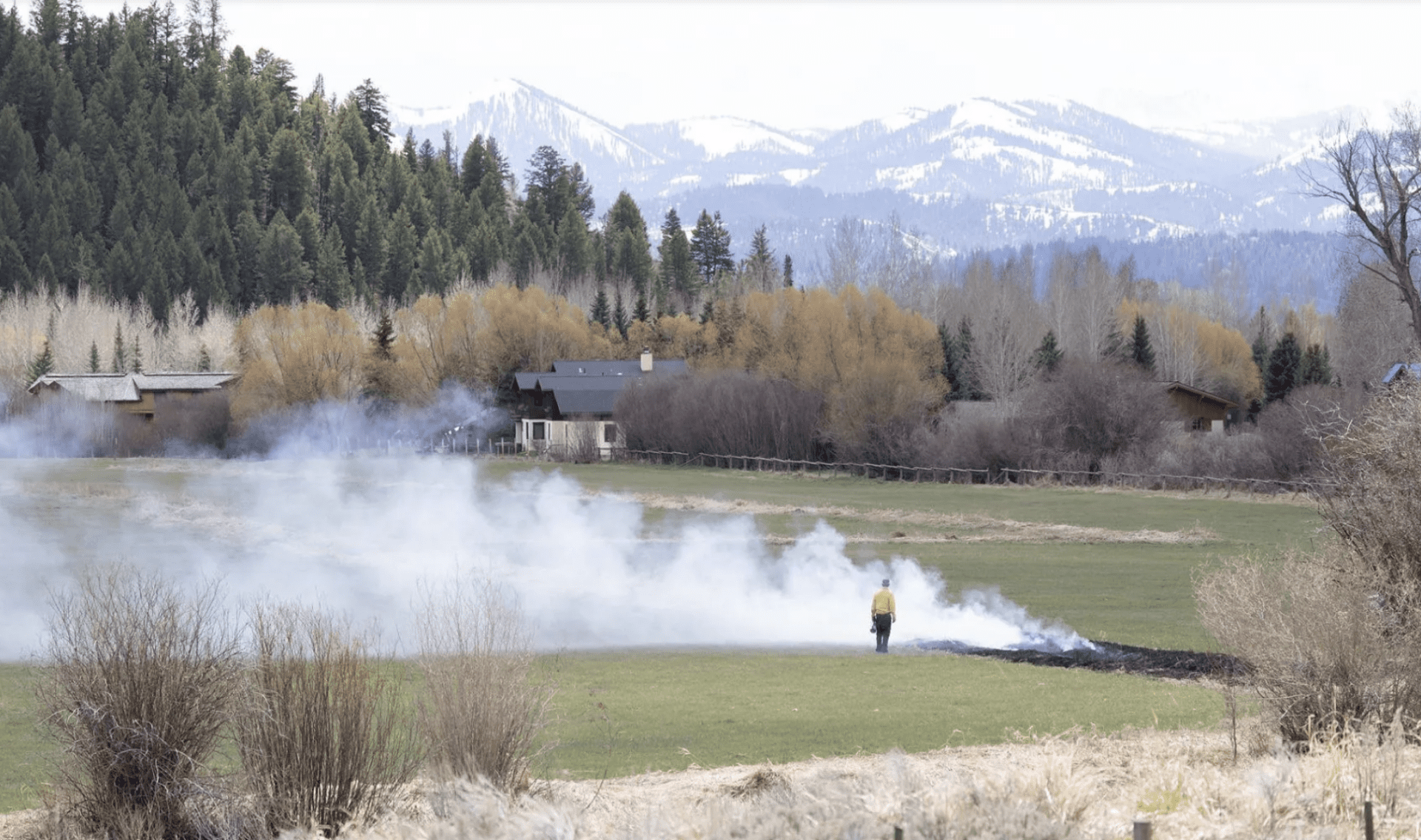
* Make sure to have the appropriate tools available.
1. Tools: Bucket or large container filled with water, shovel, burn barrel (if available)
2. Cellphone: Call 911 immediately in case of emergency—if your debris burn escapes or if embers ignite surrounding vegetation.
*Check local regulations and ordinances.
1. Check the conditions—Don’t burn in windy conditions or when vegetation is very dry. Don’t start burn piles or set metal burn barrels near or on dry vegetation.
2. Burn this, not that—Burn dry, natural vegetation but never trash, treated lumber, plastic, or tires.
* Pick a good spot.
1. Look up—You need an overhead clearance of at least 3x the height of the pile, so stay away from power lines, overhanging limbs, buildings, vehicles, and equipment.
2. Look around—You need a clearance of at least 10 feet of gravel or dirt around the area. You will water this and the surrounding area when extinguishing the fire.
*Prepare your burn.
1. If using a burn barrel—Make sure it’s metal, in good condition, and has at least three evenly-spaced, 3-inch screened vents and metal top screen to contain sparks, embers and ash.
2. Keep your burn pile small and manageable
3. Keep your burn pile to a maximum of 4 feet by 4 feet and add additional debris only after the fire has died down.
*Always keep an eye on your debris burn.
1. Never leave your debris burn unattended—Always keep an eye on your debris burn until it’s completely out—and be ready to act if embers or flare-ups occur. Don’t play around and keep an eye on children and pets.
See more details from Smokey Bear here.
Some of this text comes from a Sublette County United Fire press release.