
Skip to Content
Winter Wildlife Closures View Map Bridger-Teton Avalanche Center's Current Forecasts

Get Festive on the Forest

The year Dad forgot the saw. The year her sister’s boyfriend showed up in dress shoes. The years with s’mores and hot chocolate around a bonfire.

For Joy Smithers, those are the Christmas gifts that stuck.

“I can’t remember most of what I got as presents for Christmas as a kid, but I remember going out every year to cut a tree with my parents, brother, and sister,” says Smithers, who grew up near the Finger Lakes National Forest in New York.

Some outings were more successful than others. In high school, her sister invited a boyfriend who claimed to be an expert tree cutter. He arrived in leather shoes and a button-down shirt.

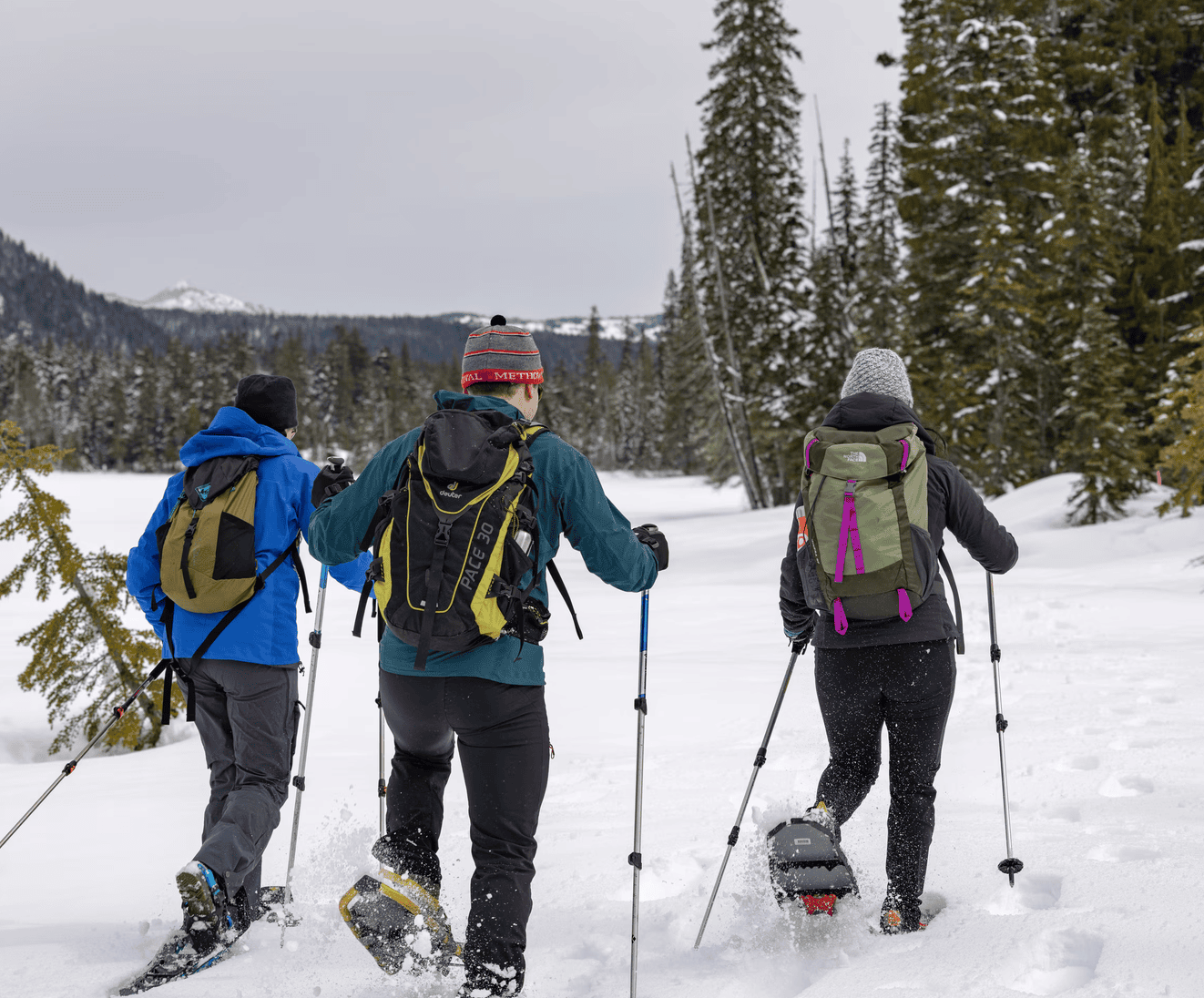
“After bravely snowshoeing in his leather shoes for a mile or so, [he] finally admitted that he had never snowshoed before, much less cut down a tree,” Smithers says. “They were broken up by New Year’s.”

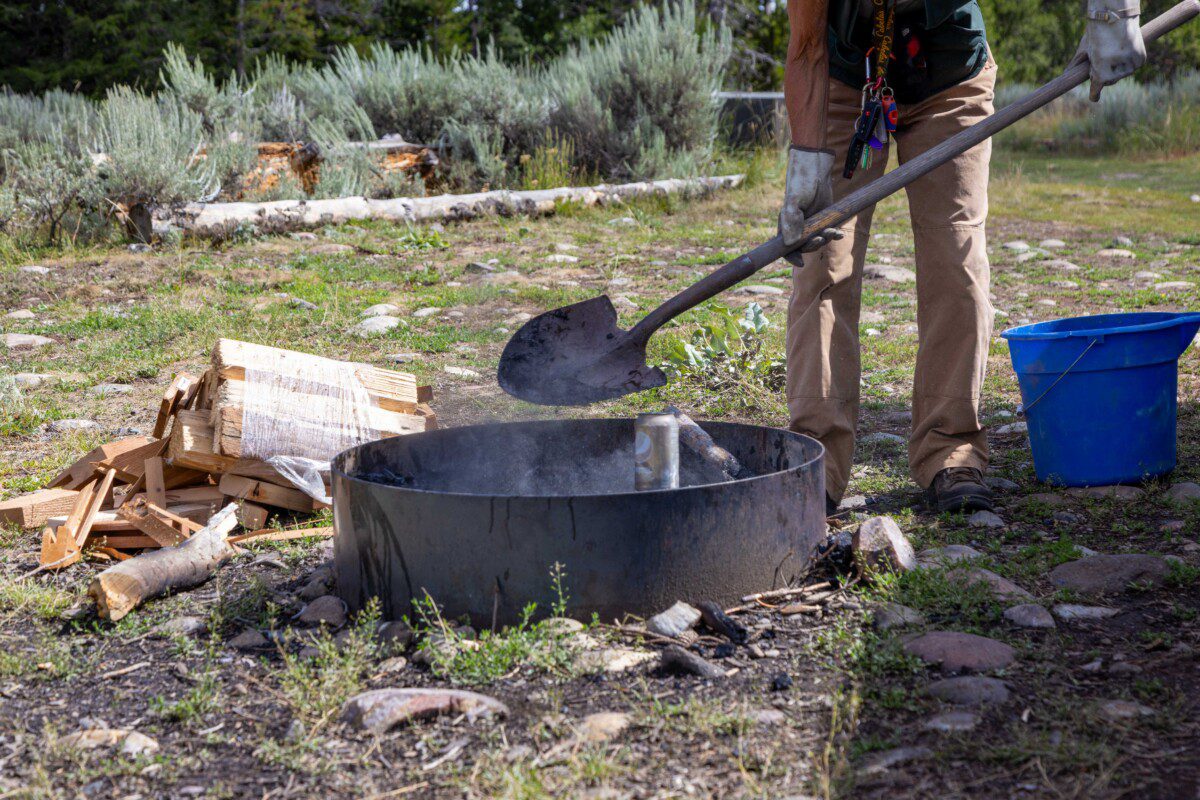
During her senior year of college in New Jersey, Smithers took her roommates on a weekend road trip to New Hampshire’s White Mountain National Forest. Neither had cut a Christmas tree before. Smithers introduced them to the full experience: finding a tree, gathering around a bonfire, and returning home with something special for their apartment.

“That was almost 20 years ago and we all agree it is one of our core memories from college,” she says.

Today, Smithers and her husband take their two children onto the Bridger-Teton National Forest each year to find their Christmas tree.

“Their childhoods are so different from mine in many ways, but cutting down a tree hasn’t changed at all,” she says.

Ready to start a tradition of your own? Here’s how to make caring for the forest part of the memory.

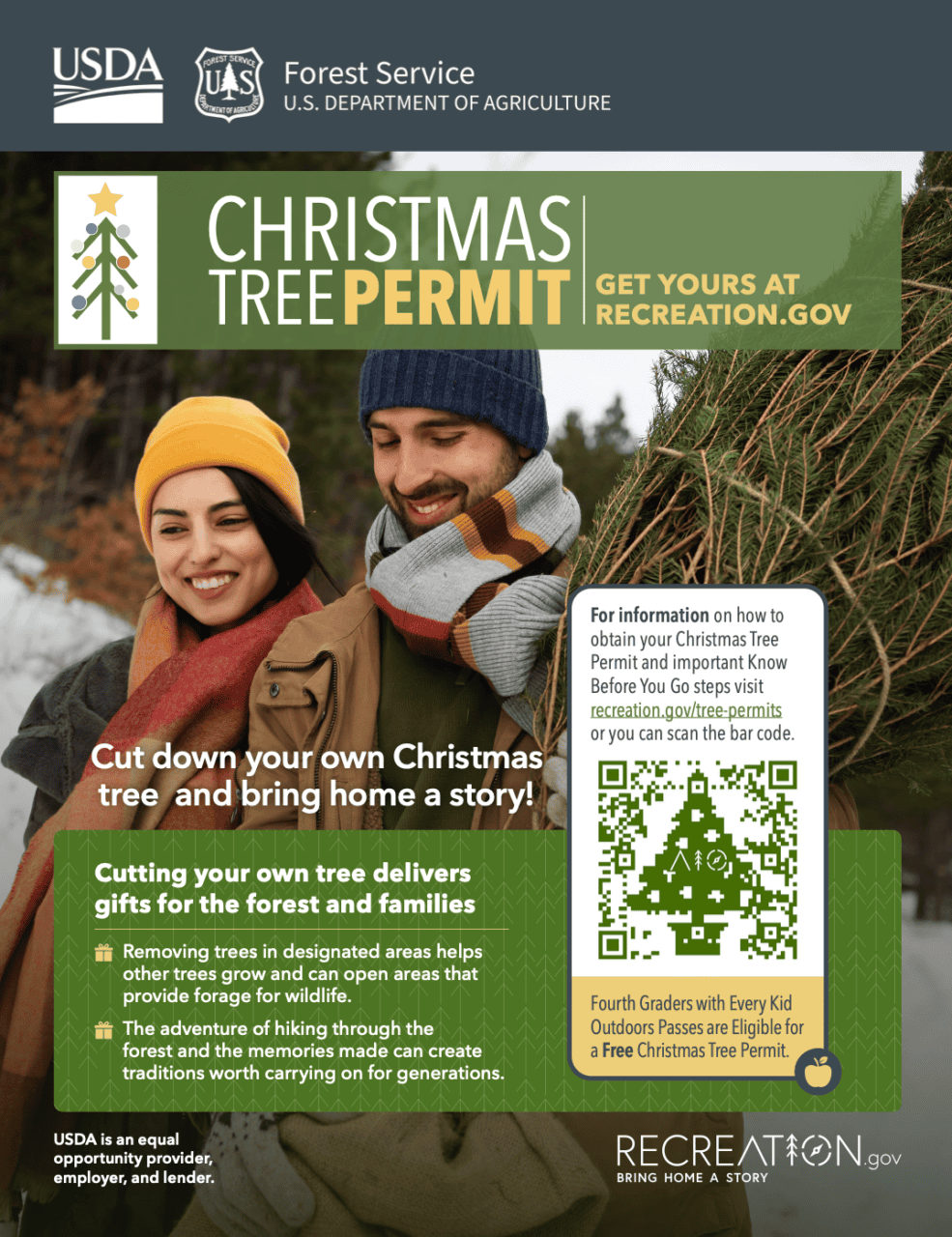
Start With a Permit, Not a Saw

Christmas tree permits for the Bridger-Teton National Forest are available through Recreation.gov and local forest offices. Permits cost $15 per tree, with a limit of five trees.

Through Every Kid Outdoors, fourth graders are eligible for a free Christmas tree permit—as well as a free pass to national parks and other participating federal lands. Check the program’s requirements before heading out.

And learn from the Smithers family: double-check that you packed the saw.

Dress for the Search, Not the Family Photo

You might find your tree in minutes. You might spend an hour debating whether that bare patch will face the wall. Either way, prepare for a winter outing.

Before leaving:

* Check the weather, avalanche forecast, wildlife closures, and Christmas tree cutting restrictions.
* Tell someone where you’re going and when you expect to return.
* Pack warm layers, extra clothes, gloves, water, and snacks.

Leave the dress shoes at home.

Know Where Not to Go

An inviting stand of evergreens isn’t necessarily a legal cutting spot. On the Bridger-Teton, Christmas tree cutting is prohibited in:

* Campgrounds, summer home sites, and administrative sites or guard stations.
* Active timber sales and ski areas.
* Cache Creek Canyon, the Trail Creek area, and Snake River Canyon.
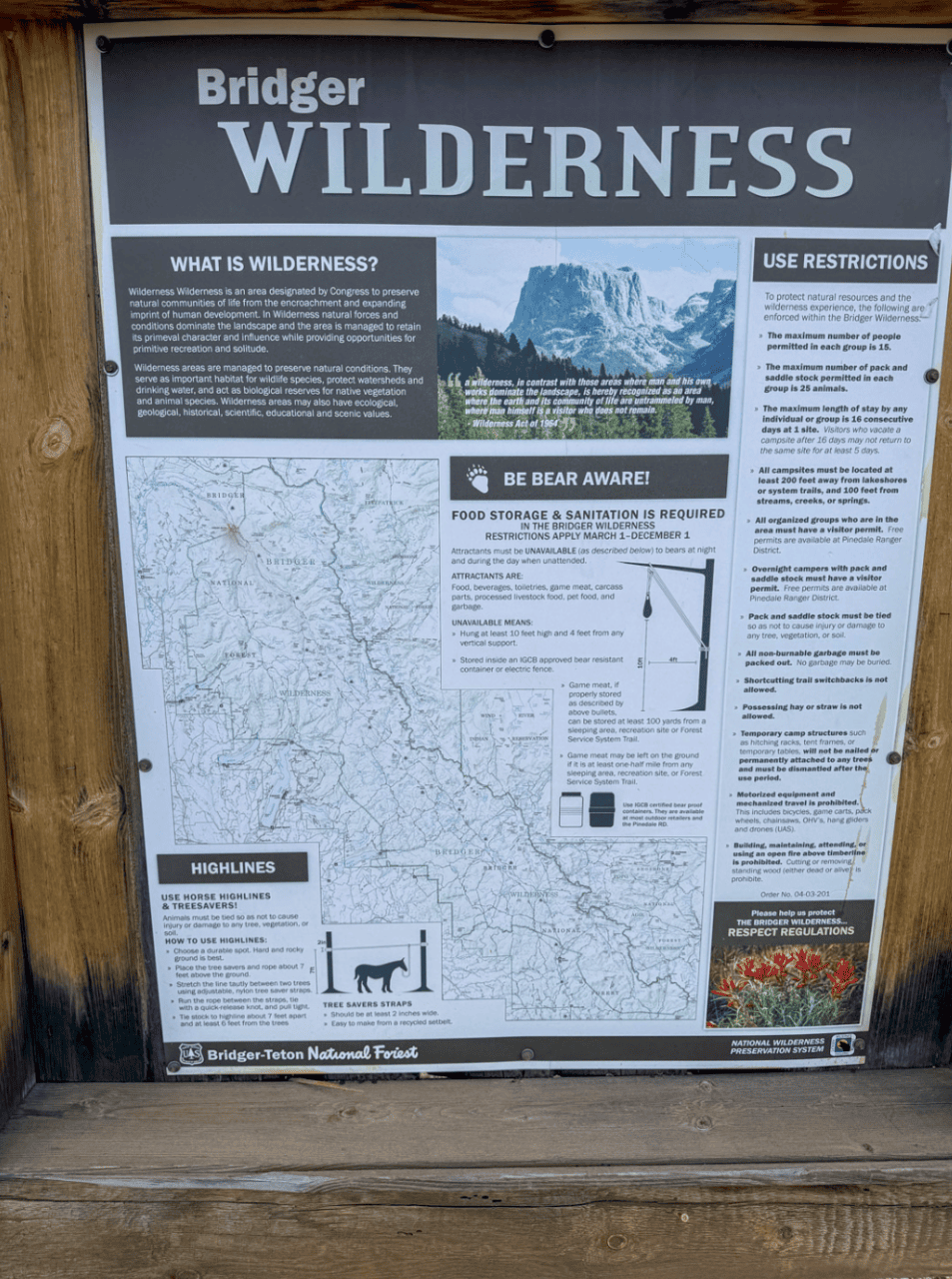
* Designated Wilderness and Wilderness Study Areas.
* Elk feedgrounds.

Give Aspens Some Breathing Room

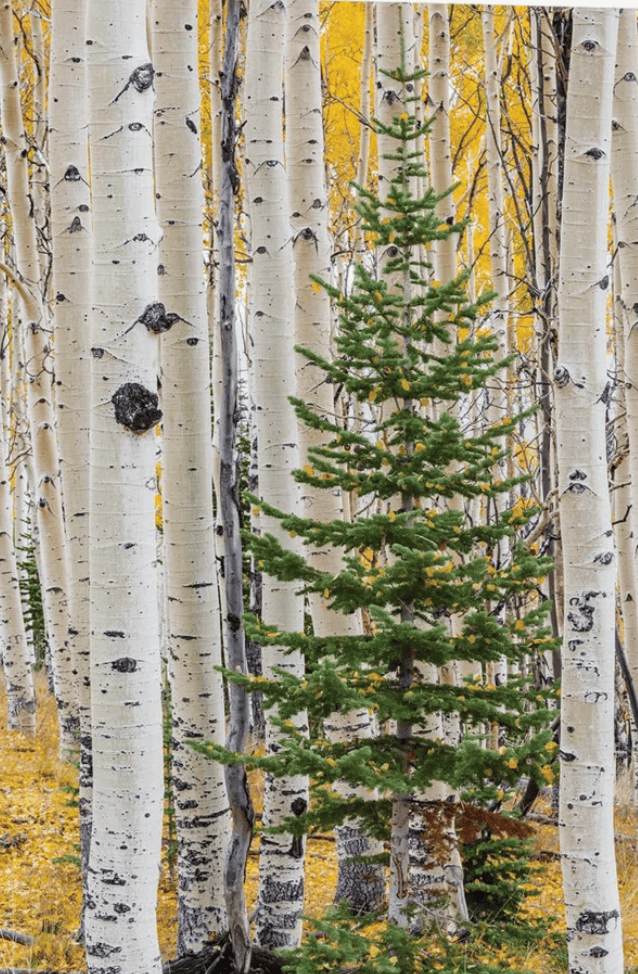
Choosing your tree can also be a chance to help the forest. Conifers are replacing aspens in some stands; where cutting is permitted, consider selecting a conifer growing among aspens.

On the Bridger-Teton, your tree must be no taller than 20 feet. Cut the whole tree—not just the attractive top of a taller one—and leave a stump no higher than eight inches.

Then head home with a tree and memories that will last a lifetime.

We acknowledge with respect that our facilities are situated on the aboriginal land of the Shoshone Bannock. Eastern Shoshone. Northern Arapaho. Crow. Assiniboine. Sioux. Gros Ventre. Nez Perce.

Let's be friends; sign up for our newsletter

Name